
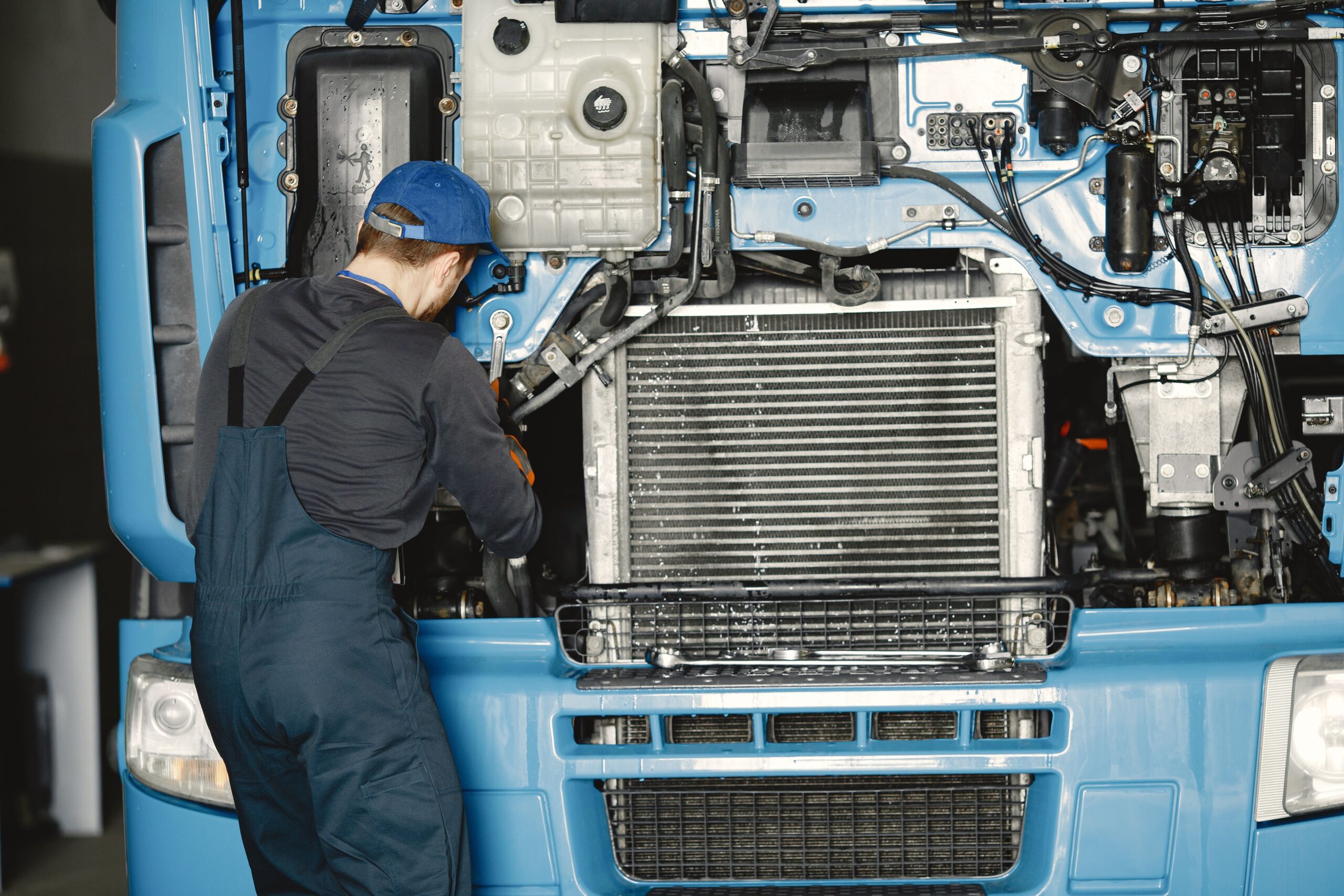
Diesel engines are built to last, but they are not trouble-free. Most fleet operators and owner-operators will face a handful of recurring faults over the life of a truck: smoke that changes color, hard starts, fuel-related damage, and emissions components that stop doing their job. Knowing what each symptom usually points to, and how to source the right part without wasting time, can save both downtime and money.
Table of Contents
- Recognizing the Warning Signs
- The Most Common Diesel Engine Problems
- Quick Reference: Problems, Causes and Parts
- How to Find Replacement Truck Parts
- Where to Buy With Confidence
- Final Thoughts
Recognizing the Warning Signs
Diesel problems rarely appear without notice. Most develop gradually, and the early symptoms are usually easy to miss if you are not paying attention. Watch for these signals:
- Exhaust smoke that is darker, lighter, or a different color than usual
- Longer cranking times or hard starts, especially in cold weather
- A noticeable drop in power under load or while climbing grades
- Rough idle, vibration, or unusual engine noise
- Higher fuel consumption without a clear change in driving habits
- Check engine lights, derate codes, or emissions warnings on the dash
When two or more of these symptoms show up together, the problem is often in the fuel system, the air system, or the emissions hardware rather than in a single isolated part.
The Most Common Diesel Engine Problems
Several failures account for the majority of diesel service calls. The sections below cover the ones that appear most often in field reports and technical literature, along with what typically causes them.
Diesel problems tend to fall into four families:
- Air and combustion faults, such as clogged filters, restricted intake, or low turbo boost
- Fuel system faults, including contaminated fuel, worn injectors, and failing pumps
- Sealing and lubrication faults, such as leaking turbo or valve seals that let oil into the combustion process
- Emissions faults, including EGR valves and particulate filters that become clogged or stuck
Black Exhaust Smoke
Black smoke means the engine is burning fuel incompletely, usually because there is too much fuel or too little air. A dirty air filter is the cheapest cause to rule out first. Beyond that, leaking or failing fuel injectors can over-fuel a cylinder, and low turbo boost reduces the air available for combustion. Cummins’ diesel engine FAQ notes that black smoke can also come from a faulty EGR valve, and that cleaning the air system is a sensible first step before a professional inspection.
Contaminated Fuel and Injector Damage
Diesel fuel is more prone to contamination than many people expect. Water condenses inside storage tanks, dirt enters through poorly sealed caps, and microbial growth can develop in fuel that sits too long. These contaminants cause several problems:
- Clogged fuel filters and reduced fuel flow
- Corrosion and wear on high-pressure injectors
- Rough idle and misfires caused by unstable injection
- Lower lubricity, which accelerates pump and injector wear
Using a proper fuel and water separator, changing filters on schedule, and buying fuel from reputable stations are the most effective preventive measures.
Quick Reference: Problems, Causes and Parts
The table below summarizes the most common diesel problems, the symptoms they produce, typical causes, the components technicians usually inspect or replace, and how urgently each problem should be addressed. For a deeper look at how faults affect emissions, DieselNet’s review of emission effects from engine faults is a useful technical reference.
How to Find Replacement Truck Parts
Once a diagnosis is clear, the next challenge is sourcing the exact part. Heavy-duty trucks are often built with mid-year changes, so two trucks of the same make, model and year can take different components. Buying by appearance alone is a common source of wrong orders and returns. A structured approach works better.

Start With the VIN and Part Numbers
The 17-character vehicle identification number is the most reliable starting point. It is usually found on the driver’s door jamb, on the dash visible through the windshield, and on registration documents. A supplier or dealer parts desk can use the VIN to look up how the truck was actually built, which narrows the field far more than make, model and year alone.
If the old part is still on the truck, its number is the next best clue. Keep these points in mind:
- Clean the part first, because road grime often hides stamped or molded numbers
- Expect more than one number, such as a manufacturer number, a casting number and a date code
- Check whether a number has been superseded by a newer version
- Remember that a casting number identifies a mold and does not always identify a finished part
Before calling a supplier, gather the VIN, engine and transmission details, the part’s position on the truck (left or right, front or rear), photos of the old part, and the quantity you need. Replacing components in sets, such as brake parts on the same axle, is often the better decision.
OEM Versus Aftermarket Options
Most heavy-duty components are available both as original equipment manufacturer (OEM) parts and as aftermarket alternatives. OEM parts provide the most predictable fit and are usually the safest choice for sensors, electronic modules and safety-critical components. Quality aftermarket parts can offer good value, but they should always be checked against the original number and its cross-reference. A good supplier can explain what a part replaces and whether anything differs, such as materials, mounting points or electrical connectors.
Treat any cross-reference as conditional until the VIN, the physical part and the application notes all agree.
Where to Buy With Confidence
Buying from a knowledgeable source can prevent costly mistakes. Look for suppliers that ask about your VIN, confirm fitment before shipping, and clearly state warranty and return terms. You can compare truck parts suppliers based on their catalog depth, technical support and how quickly they can get a specific number into stock. If you are still deciding which components to order, the engine parts category on our site groups related components together, which can help you compare options side by side.
Final Thoughts
Most diesel engine problems are easier to manage when they are caught early. Pay attention to changes in smoke color, starting behavior and power delivery, and address fuel contamination before it damages injectors. When a part needs replacing, work from the VIN and the old part’s numbers rather than guesswork. A few minutes of verification before ordering is usually the difference between a repair that holds and a second trip to the shop.